Blog
15 Common Causes of Hair Fall in Men and Women
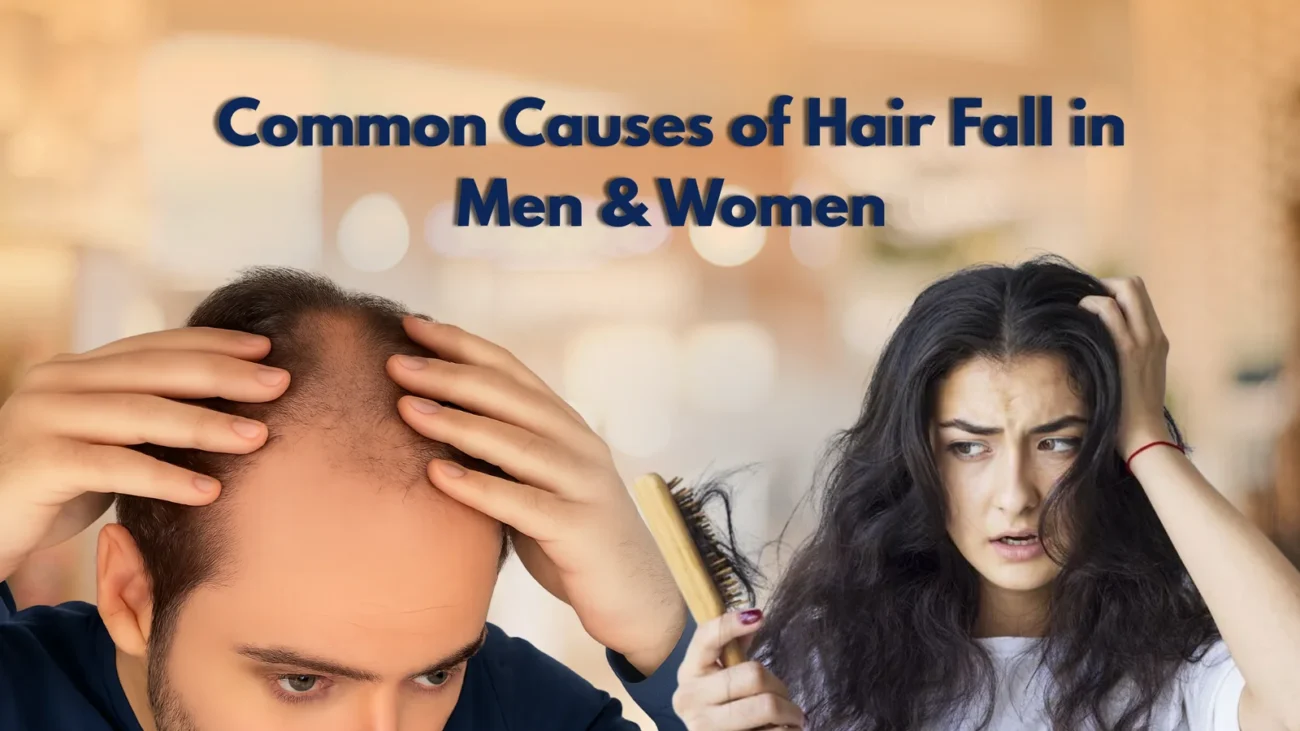
Table of Contents
Hair fall has become one of the most common problems affecting both men and women worldwide. While losing some hair daily is normal, excessive hair shedding can be stressful and may indicate deeper health or lifestyle issues. Factors such as genetics, diet, stress, hormonal changes, and environmental exposure all play a role in hair health.
In this detailed guide, you will learn about the 15 most common causes of hair fall, how they affect men and women differently, and what steps you can take to reduce hair loss naturally.
1. Genetic Hair Loss (Hereditary Alopecia)
Genetics is the leading cause of long-term hair fall. If hair loss runs in your family, you are more likely to experience it.
In men, it usually appears as a receding hairline or bald spots on the crown.
In women, it shows as overall thinning and a wider part line.
This type of hair loss develops gradually and cannot be fully reversed, but it can be managed with early care.
2. Hormonal Imbalance
Hormones control the hair growth cycle, and even small imbalances can trigger hair fall.
Common hormonal causes include pregnancy, postpartum changes, menopause, PCOS, and thyroid disorders. Hormonal hair loss is more common in women and often causes sudden thinning rather than bald patches.
3. Stress and Mental Pressure
Long-term stress pushes hair follicles into a resting phase, leading to excessive hair shedding after a few months.
Emotional stress, anxiety, trauma, or lack of relaxation can all contribute to stress-related hair fall. The good news is that this type of hair loss is usually temporary.
4. Poor Diet and Nutritional Deficiencies
Hair needs proper nutrition to grow strong and healthy. A diet lacking essential nutrients weakens hair roots.
Common deficiencies linked to hair fall include protein, iron, vitamin D, zinc, and biotin. Crash dieting and skipping meals often worsen hair loss.
5. Excessive Heat Styling
Frequent use of hair straighteners, curling irons, and blow dryers damages the hair shaft. Heat weakens hair strands, causes split ends, and leads to breakage that looks like hair fall.
6. Chemical Hair Treatments
Regular use of hair dyes, bleaching agents, rebonding, and chemical straightening damages both the scalp and hair follicles. Over time, chemicals reduce hair strength and increase hair fall.
7. Scalp Problems and Infections
A healthy scalp is the foundation of healthy hair. Dandruff, fungal infections, excess oil buildup, and scalp inflammation block hair follicles and slow hair growth.
Ignoring scalp issues can lead to continuous hair shedding.
8. Overwashing or Wrong Washing Habits
Washing hair too frequently strips the scalp of natural oils. Using harsh shampoos can dry out hair and make it brittle, increasing breakage and hair fall.
9. Tight Hairstyles
Tight ponytails, buns, braids, and extensions pull on hair roots constantly. This causes traction alopecia, a type of hair loss that can become permanent if continued for a long time.
10. Aging and Natural Hair Thinning
As we age, hair growth slows down, and hair follicles become weaker. Hair strands become thinner, and hair density reduces naturally over time.
11. Smoking and Alcohol Consumption
Smoking reduces blood flow to the scalp, limiting oxygen and nutrients to hair follicles. Alcohol interferes with nutrient absorption and dehydrates the body, both of which contribute to hair fall.
12. Medical Conditions
Hair fall can be a symptom of underlying health issues such as anemia, autoimmune disorders, diabetes, and chronic illnesses. Treating the root medical condition often helps reduce hair loss.
13. Medications and Medical Treatments
Some medicines cause hair fall as a side effect. These include chemotherapy drugs, blood pressure medications, antidepressants, and hormonal treatments. In many cases, hair grows back after treatment ends.
14. Poor Sleep and Irregular Routine
Lack of quality sleep affects hormone balance and cell repair. An irregular routine weakens hair growth cycles and increases daily hair shedding.
15. Environmental Factors
Pollution, hard water, dust, sun exposure, and chemicals in the environment damage hair cuticles and weaken the scalp, leading to dull, fragile hair and increased hair fall.
How to Reduce Hair Fall Naturally
Maintain a balanced diet rich in protein and vitamins
Massage your scalp regularly with nourishing hair oil
Avoid excessive heat styling and chemical treatments
Use mild, sulfate-free shampoos
Manage stress through exercise and relaxation
Sleep at least 7 to 8 hours daily
Protect hair from pollution and sun damage
Frequently Asked Questions (FAQs)
What is the most common cause of hair fall?
Genetics, hormonal imbalance, and poor nutrition are the most common causes of hair fall in men and women.
Is hair fall reversible?
Hair fall caused by stress, diet, illness, or lifestyle factors is usually reversible with proper care.
How much hair fall is normal per day?
Losing 50 to 100 hair strands daily is considered normal.
Can stress really cause hair loss?
Yes, prolonged stress can cause sudden and noticeable hair shedding.
Does oiling help reduce hair fall?
Regular oiling improves blood circulation, nourishes the scalp, and strengthens hair roots.
Which vitamin deficiency causes hair fall?
Vitamin D, iron, biotin, and zinc deficiencies are commonly linked to hair fall.
Can dandruff cause hair fall?
Yes, untreated dandruff and scalp infections can block follicles and increase hair loss.