Dry Scalp vs Dandruff: Key Differences

Dry Scalp vs Dandruff: 7 Key Differences + Natural Remedies That Actually Work
1. Does Your Scalp Feel Itchy, Flaky, or Just Plain Wrong?
We have all been there. You are getting ready to go out, wearing your favorite dark shirt, and suddenly you notice white flakes sitting on your shoulders. Your heart sinks a little.
Or maybe your scalp just feels tight, itchy, and dry all the time, no matter how often you wash your hair. You try different shampoos. You try home remedies. But nothing seems to truly fix the problem.
Here is something that most people do not realize: dry scalp and dandruff are not the same thing. Many people confuse them because they both cause flaking and itching. But they have different causes, different symptoms, and very different solutions.
If you have been treating the wrong problem, that is exactly why nothing has been working. This guide will help you finally understand the difference between dry scalp vs dandruff, and show you the best natural ways to heal your scalp for good.
2. What Exactly Are Dry Scalp and Dandruff? Understanding the Real Problem
Before we compare dry scalp vs dandruff, let us understand each one clearly.
What Is Dry Scalp?
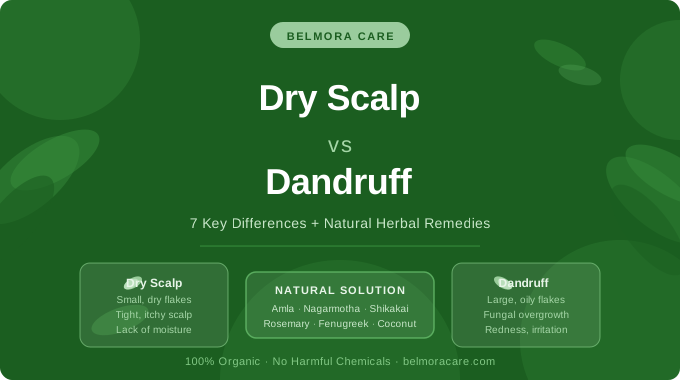
A dry scalp happens when your scalp does not have enough moisture. It feels tight, itchy, and uncomfortable. The flakes it produces are small and dry, and they usually fall off easily. Dry scalp is often worse in cold or dry weather. It can also happen if you wash your hair too often and strip away the natural oils your scalp needs.
According to a report published by dermatology health experts, nearly 50% of the world’s adult population experiences some form of scalp problem during their lifetime. (Source: American Academy of Dermatology / dermatology research)
What Is Dandruff?
Dandruff, on the other hand, is a scalp condition that is often caused by a fungus called Malassezia. This fungus lives naturally on everyone’s scalp, but in some people it grows too fast and causes the scalp skin to shed quickly. The flakes from dandruff are larger, oilier, and sometimes yellowish in color. Dandruff flakes tend to stick to the scalp or hair rather than falling off easily.
Dandruff can also cause redness and irritation on the scalp. It often gets worse in stressful situations or when immunity is low.
🌿 Micro Tip #1: Check Your Flakes
Small, dry, white flakes that fall freely = likely dry scalp. Large, greasy, yellowish flakes that stick to hair = likely dandruff. When unsure, a dermatologist can confirm.
3. What Causes Dry Scalp vs Dandruff? The Root Reasons You Need to Know
Understanding what causes your scalp problem is the first step toward fixing it. Many people are surprised to learn that chemicals, diet, stress, and lifestyle all play a big role.
Common Causes of Dry Scalp
- Cold or dry weather that removes moisture from skin
- Washing hair too often with harsh, chemical-filled shampoos
- Not drinking enough water (dehydration affects skin and scalp)
- Using hot water to wash hair, which strips natural oils
- Skin conditions like eczema or psoriasis
- Sulfates and parabens in commercial hair care products
Common Causes of Dandruff
- Overgrowth of Malassezia fungus on the scalp
- Excess oil (sebum) production feeding the fungus
- High stress levels that weaken the immune system
- A diet low in zinc, B vitamins, and healthy fats
- Sensitivity to certain hair products or ingredients
- Not washing hair often enough, letting oil and dead skin build up
🧪 Micro Tip #2: Shampoo Ingredients Matter
Sulfates, silicones, and artificial fragrances in chemical shampoos can both cause dry scalp and make dandruff worse. Always read your product labels carefully before buying.
Lifestyle habits like eating processed foods, sleeping late, and high stress can all trigger or worsen both dry scalp and dandruff. Your scalp is a reflection of your overall health. (Source: healthline.com / scalp health research)
4. Natural and Herbal Solutions: The Safest Way to Heal Your Scalp
Here is the truth: most commercial anti-dandruff shampoos and scalp treatments work for a short time, but they do not fix the root cause. Many of them contain harsh chemicals that can actually damage your scalp over time.
Natural and herbal solutions, on the other hand, work gently with your body. They nourish the scalp, balance its natural oils, fight fungal growth, and restore moisture — all without harmful side effects.
That is why more and more people are turning to herbal hair oils and plant-based scalp care. When you use ingredients that nature has already perfected over thousands of years, your scalp can truly heal from the inside out.
Why Natural Is Better Than Chemical for Scalp Health
Chemical products: Work fast but cause long-term dryness, irritation, and hair thinning. Sulfates strip natural oils. Silicones block pores. Artificial fragrances cause allergic reactions.
Natural/herbal products: Work gently but deeply. They balance the scalp’s pH, feed hair follicles with vitamins and minerals, and fight fungus naturally — without stripping or damaging anything.
Simple DIY Scalp Routine for Dry Scalp vs Dandruff
Step 1 – Apply a herbal hair oil (like Belmora Care) generously to your scalp. Massage in circular motions for 5–10 minutes.
Step 2 – Leave the oil on for at least 2 hours, or overnight for best results.
Step 3 – Wash off with a gentle, sulfate-free cleanser or mild shampoo using lukewarm water.
Step 4 – Repeat 2–3 times per week consistently for 4–6 weeks to see real improvement.
Micro Tip # 3: Oil Before Wash
Applying herbal oil before every hair wash creates a protective layer that prevents moisture loss and keeps chemical shampoos from stripping your scalp too harshly.
5. Powerful Natural Ingredients That Actually Fix Dry Scalp and Dandruff
Belmora Care’s organic hair oil is packed with 15 powerful herbs that target scalp problems at the root level. Here are the key ingredients and how they help with dry scalp vs dandruff:
Amla (Indian Gooseberry)
Amla is one of the richest sources of Vitamin C in nature. It strengthens hair follicles, balances scalp pH, and helps fight dandruff-causing fungi. It also deeply moisturizes the scalp, making it excellent for dry scalp treatment at home. Regular use of amla reduces flaking naturally.
🍃 Micro Tip # 4: Amla’s Power
Amla is rich in Vitamin C and antioxidants that protect the scalp from oxidative stress — one of the hidden causes of both dandruff and early hair thinning.
Nagarmotha (Cyperus rotundus)
Nagarmotha is one of the most powerful herbs for scalp health. It has strong antifungal and anti-inflammatory properties that directly fight the Malassezia fungus responsible for dandruff. It also soothes scalp irritation and reduces itching in dry scalp conditions. (Explore our herbal oil collection — belmoracare.com/shop)
Shikakai (Acacia concinna)
Shikakai has been used in hair care for centuries. It gently cleanses the scalp without stripping moisture, removes excess sebum that feeds dandruff-causing fungi, and adds a healthy shine to hair. It is especially great for people with both dry scalp and scalp buildup at the same time.
Rosemary
Rosemary improves blood circulation to the scalp and has strong antimicrobial properties. Better scalp circulation means better delivery of nutrients to hair follicles, which helps both dry scalp and dandruff heal faster. Studies have shown rosemary to be as effective as some commercial scalp treatments for promoting scalp health. (Source: NCBI / clinical hair research)
Fenugreek Seeds (Methi Dana)
Fenugreek seeds are loaded with protein, iron, and lecithin. They deeply nourish the scalp, reduce dryness, and strengthen hair roots. Fenugreek is particularly helpful for dry scalp because it locks moisture into the scalp skin for longer. It also has mild antifungal properties that help manage dandruff naturally.
Henna Leaves (Barg-e-Hina)
Henna leaves are a traditional scalp care herb that controls excess oil, reduces dandruff, and soothes scalp irritation. For those dealing with dandruff, henna helps balance sebum production — which is one of the main triggers of fungal overgrowth on the scalp.
🌾 Micro Tip #5: Fenugreek Soak
Soak 2 tablespoons of fenugreek seeds overnight, grind into a paste, and apply to your scalp for 30 minutes before washing. This DIY mask is an excellent dry scalp treatment at home.
Coconut Oil Base
Coconut oil is the base of Belmora Care’s formula. It penetrates deep into the scalp skin to restore moisture and reduce protein loss. For dry scalp, coconut oil provides instant relief. For dandruff, its lauric acid content has natural antifungal properties that slow down fungal growth. (Learn more about our ingredients)
Micro Tip #6: Coconut Oil for Both Problems
Studies show that coconut oil reduces Malassezia colonization by up to 68% with regular use, making it one of the few natural ingredients that helps both dry scalp AND dandruff. (Source: Journal of Cosmetic Dermatology research)
“I had been struggling with dry scalp vs dandruff for almost two years. I tried every shampoo in the market. Then I started using Belmora Care herbal oil twice a week. In just six weeks, my scalp stopped itching, the flakes disappeared, and my hair feels so much thicker and healthier. I wish I had found this sooner!”— Sadia R., Lahore — Verified Belmora Care Customer
6. Your Scalp Deserves Better: Start Healing with Nature Today
Now you know the real difference between dry scalp vs dandruff. You know what causes each problem, how to tell them apart, and most importantly, how to treat them naturally.
The key takeaway is simple: chemicals may give you temporary relief, but herbal care gives you lasting results. When you nourish your scalp with the right herbs and natural oils, you are not just treating a symptom — you are healing the root cause.
Belmora Care was created for exactly this reason. Our organic herbal hair oil is made with 15 powerful natural herbs including Amla, Nagarmotha, Shikakai, Rosemary, Fenugreek, and Coconut — all chosen to heal dry scalp, fight dandruff, strengthen roots, and bring your hair back to life.
No sulfates. No parabens. No harmful chemicals. Just pure, honest, plant-based care.
Thousands of customers across Pakistan have already made the switch to natural scalp care. Their scalps are healthier, their hair is stronger, and their confidence is back.Now it is your turn.
🌿 Try Belmora Care Organic Hair Oil Today — Shop Now at belmoracare.com/shop
→ Explore our herbal oil collection
→ Read about our organic ingredients
→ Learn about Nagarmotha for scalp health
Frequently Asked Questions (FAQs)
Q. What is the main difference between dry scalp vs dandruff?
Dry scalp is caused by a lack of moisture on the scalp, leading to small, dry, white flakes. Dandruff is caused by a fungal overgrowth that makes the scalp shed skin faster than normal, producing larger, oily flakes. The treatment for each is different, so it is important to correctly identify which one you have before choosing a remedy.
Q. How can I tell at home if I have dry scalp or dandruff?
Look at your flakes closely. If they are small and fall freely when you scratch, you likely have dry scalp. If they are larger, yellowish, and tend to stick to your hair or scalp, you likely have dandruff. Also check your scalp skin — dry scalp feels tight and dry, while dandruff-affected scalps are often oily at the roots.
Q. Can dry scalp turn into dandruff?
Not exactly, but they can coexist. If you treat dry scalp with too many heavy oils and block your pores, it can create conditions where the Malassezia fungus thrives, which may lead to dandruff. This is why using a balanced herbal oil like Belmora Care — that both moisturizes and has antifungal properties — is the smarter choice.
Q. What is the best dry scalp treatment at home?
One of the most effective dry scalp treatments at home is applying a warm herbal hair oil rich in moisturizing and nourishing herbs like Amla, Fenugreek, and Coconut oil. Leave it on overnight and wash off in the morning. You can also make a fenugreek seed paste mask (soak overnight, grind, and apply for 30 minutes) for deep moisture. Do this 2–3 times a week for best results.
Q. Is natural treatment better than chemical shampoo for dandruff?
Yes, for long-term scalp health, natural treatment is clearly the better choice. Chemical anti-dandruff shampoos often contain zinc pyrithione or selenium sulfide which may reduce dandruff temporarily, but they can also dry out the scalp further and cause irritation with frequent use. Natural herbal remedies address the root causes — fungal overgrowth, excess oil, and poor scalp health — without harmful side effects.
Q. How often should I oil my scalp for dry scalp vs dandruff?
For dry scalp, oiling 2–3 times a week with a good herbal oil works well. For dandruff, also aim for 2–3 times a week, but make sure to wash it off thoroughly because leaving too much oil can feed the fungus. Consistency is key — you should see improvement after 4–6 weeks of regular use.
Q. Does stress cause dry scalp or dandruff?
Stress is a known trigger for dandruff more than dry scalp. When you are stressed, your immune system weakens and your body’s inflammatory response increases — both of which encourage the Malassezia fungus to grow more aggressively. Managing stress through sleep, exercise, and a healthy diet is an important part of getting rid of dandruff naturally.
Q. Can Belmora Care herbal oil help with both dry scalp and dandruff?
Yes. Belmora Care’s organic herbal hair oil is uniquely formulated to address both problems at once. It contains moisture-locking herbs like Amla, Fenugreek, and Coconut that heal dry scalp, as well as antifungal herbs like Nagarmotha, Rosemary, and Henna Leaves that fight dandruff-causing fungus. It is a complete scalp care solution in one bottle.
Q. What ingredients should I avoid if I have a dry scalp?
Avoid shampoos and products containing sodium lauryl sulfate (SLS), sodium laureth sulfate (SLES), alcohol, and artificial fragrances. These ingredients strip your scalp’s natural oils and make dry scalp significantly worse. Also avoid washing hair with hot water — always use lukewarm water. (Source: healthline.com / dermatology tips for dry scalp)
Q. How long does it take to see results with natural scalp care?
With consistent use of herbal products like Belmora Care, most people notice a reduction in itching and flaking within the first 2–3 weeks. Significant improvement in scalp health is usually visible in 4–6 weeks. Remember, natural care works gradually and gently — it is healing your scalp, not just masking symptoms. Be patient and consistent, and the results will be real and long-lasting.