
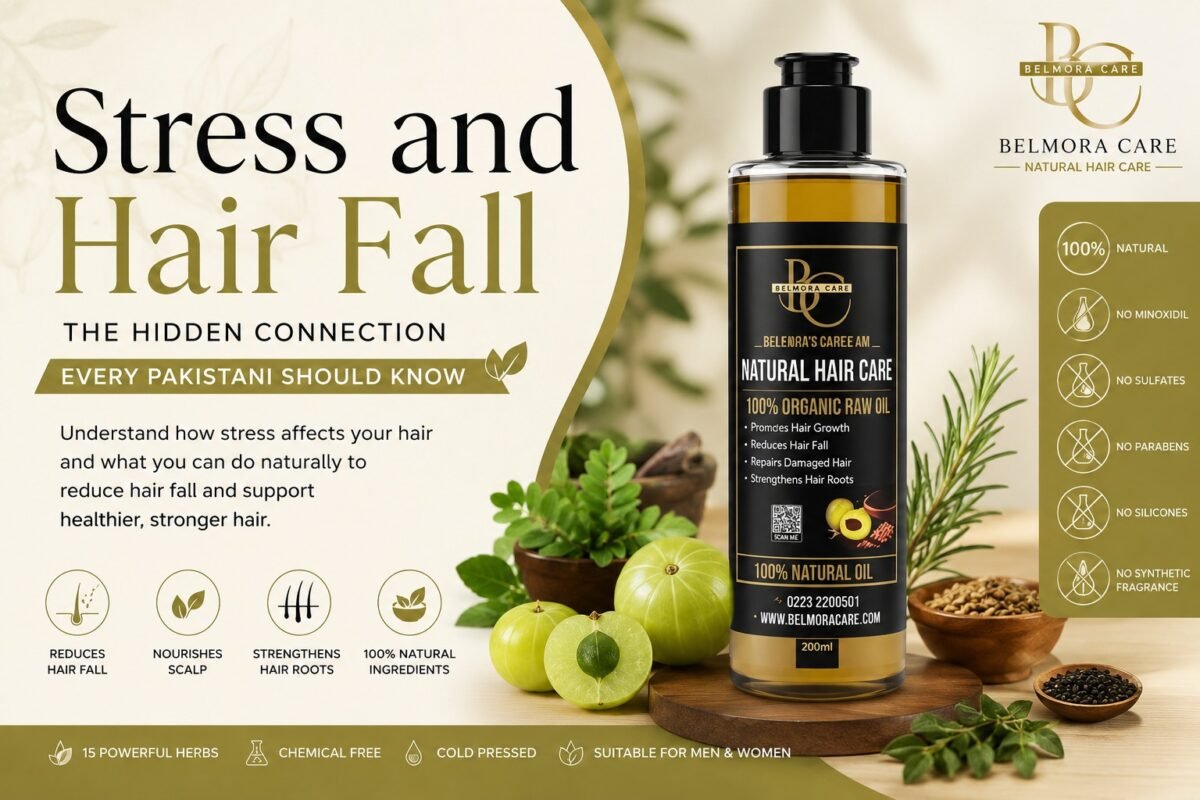
Stress and Hair Fall: The Hidden Connection Every Pakistani Should Know
You may notice it after a difficult few months: more hair on your pillow, extra strands in the shower drain, or a handful coming out when you comb. Perhaps you have been studying late, managing work pressure, sleeping poorly, dealing with family responsibilities, or simply trying to keep up with Pakistan’s intense summer and monsoon routines.
The important question is: can stress cause hair fall?
Yes. Significant physical or psychological stress can trigger a type of temporary diffuse shedding called telogen effluvium. Dermatology literature recognizes stress and major physiological events as important triggers, although hair shedding can have many other causes too.
What Is the Connection Between Stress and Hair Fall?
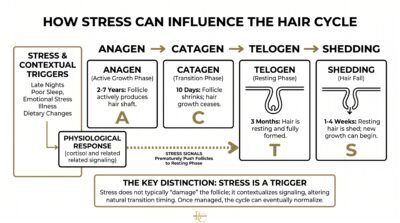
Stress and hair fall are connected because significant physical or psychological stress can disrupt the normal hair-growth cycle. Some follicles may enter the resting telogen phase earlier than expected, leading to increased shedding weeks or months later. This type of shedding is often temporary once the underlying trigger is addressed.
This distinction matters. Seeing more hair in your comb does not automatically mean that stress is the only cause.
Hair follicles continuously move through three major phases:
- Anagen: active growth
- Catagen: transition
- Telogen: resting and eventual shedding
During significant physiological or psychological stress, the normal synchronization of this cycle can be disturbed. A larger proportion of follicles may move toward the resting phase, followed by noticeable shedding.
This is one reason stress-related shedding can appear after the stressful event rather than immediately during it. Telogen effluvium is recognized as a common form of diffuse, non-scarring hair loss associated with physiological stressors.
Why Does Stress Affect the Hair Cycle?
Stress activates several biological systems, including the body’s stress-response pathways. The hypothalamic-pituitary-adrenal axis is one of the systems involved in the physiological response to stress.
Hair follicles are biologically active structures rather than simple strands of dead protein. Their behavior is influenced by signals from surrounding skin, blood supply, immune pathways and local biochemical conditions.
Research has explored how stress-related signaling can influence the follicular environment and hair-cycle regulation. However, the exact mechanisms connecting psychological stress to human hair shedding remain incompletely understood.
That scientific uncertainty is important. It means responsible hair-care advice should not claim that one ingredient, one oil, or one hormone explains every case of hair fall. Instead, think of stress as one possible trigger within a larger hair-health system.
Stress-Related Hair Shedding Can Happen After a Difficult Period
One of the most confusing aspects of stress-related hair shedding is timing. Imagine someone in Lahore experiences several weeks of severe work pressure, poor sleep, and inadequate meals. The stressful period eventually improves. A few weeks later, they suddenly notice considerably more hair during washing.
They may assume the shampoo or hair oil caused the problem. But the trigger may have occurred earlier. Telogen effluvium can develop following physiological or psychological stress, and the delay between the trigger and visible shedding is one reason the connection is often missed. The same principle can apply after illness, significant weight loss, surgery, childbirth, or other major physiological events.
Pakistan-Specific Factors Can Add to the Hair Stress Load
Stress rarely operates in isolation.
For people living in Punjab and Islamabad, hair may also experience environmental and lifestyle challenges such as:
- intense summer heat
- monsoon humidity
- dry winter air
- urban dust and particulate exposure
- frequent washing
- hard or mineral-rich water
- heat styling
- tight hairstyles
- irregular sleep
- dietary changes
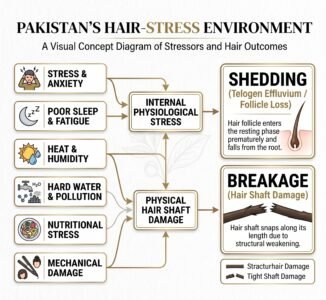
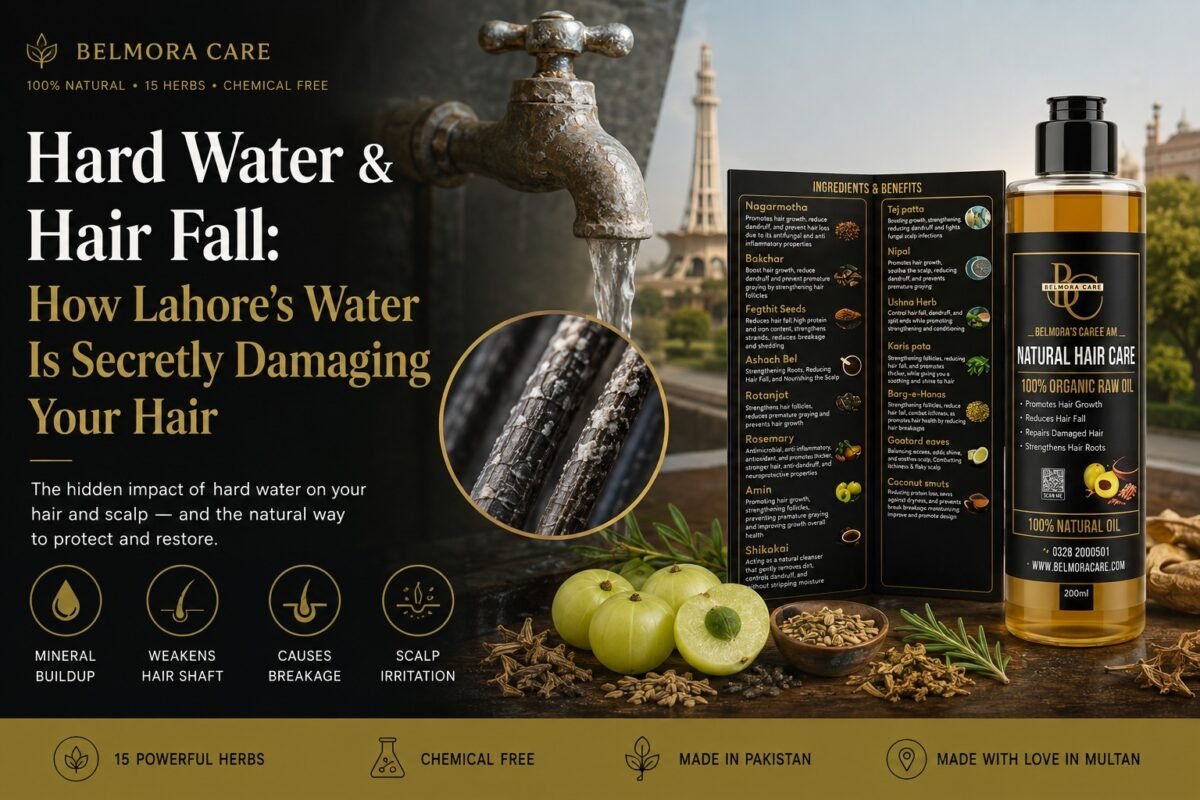
Hard water deserves a particularly careful explanation. Water hardness is associated primarily with calcium and magnesium content. WHO recognizes hardness as an important water-quality characteristic, but the presence of hard water does not prove that calcium carbonate is “blocking” hair follicles.
For hair, mineral-rich water may contribute to surface buildup, roughness, reduced manageability, and breakage in some circumstances. Your existing hard-water hair guide provides a useful supporting resource for readers experiencing these symptoms.
Stress, Scalp Health and the Hair’s Protective Lipid Environment
Healthy-looking hair depends on more than the follicle itself. The scalp and hair shaft have a protective lipid environment that contributes to surface smoothness, flexibility, and manageability. Excessive washing, harsh cleansing, heat, environmental exposure, and mechanical friction can compromise how the hair feels and behaves.
This is where a gentle botanical oiling routine can have a supportive role. An oil does not “reset” the hair cycle overnight. Nor should it be presented as a replacement for medical treatment when significant hair loss is occurring. Instead, a suitable oil can help create a more conditioning routine by reducing dryness and improving manageability. This distinction is particularly important when comparing silicone-based cosmetic masking with botanical oiling.
Silicones can temporarily coat the hair surface, improving slip and shine. That can be useful cosmetically, but it does not address the biological cause of stress-related shedding. Similarly, harsh, alcohol-heavy scalp products may feel refreshing but can be unsuitable for people with a dry or irritated scalp. A lipid-compatible botanical approach focuses more on conditioning, scalp comfort, and routine consistency.
What Role Can Amla, Rosemary, Bhringraj and Other Botanicals Play?
Traditional South Asian hair care has used botanical ingredients for generations.
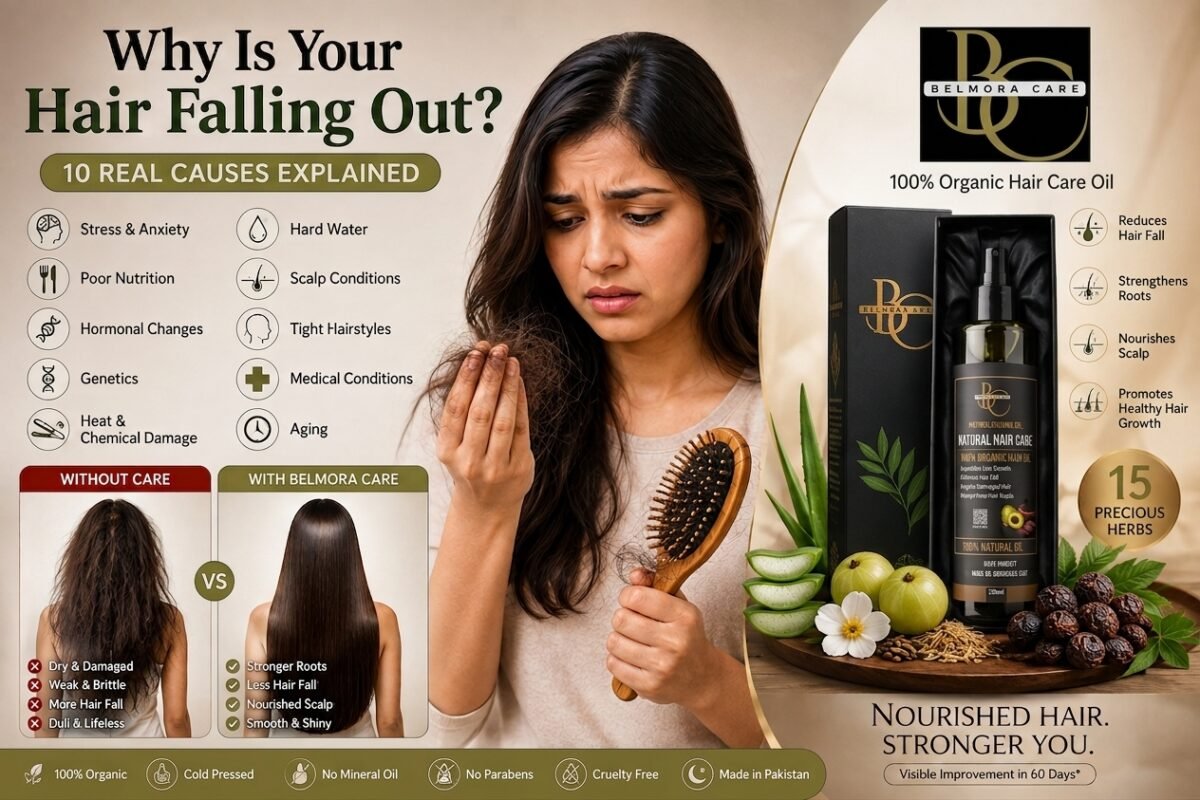
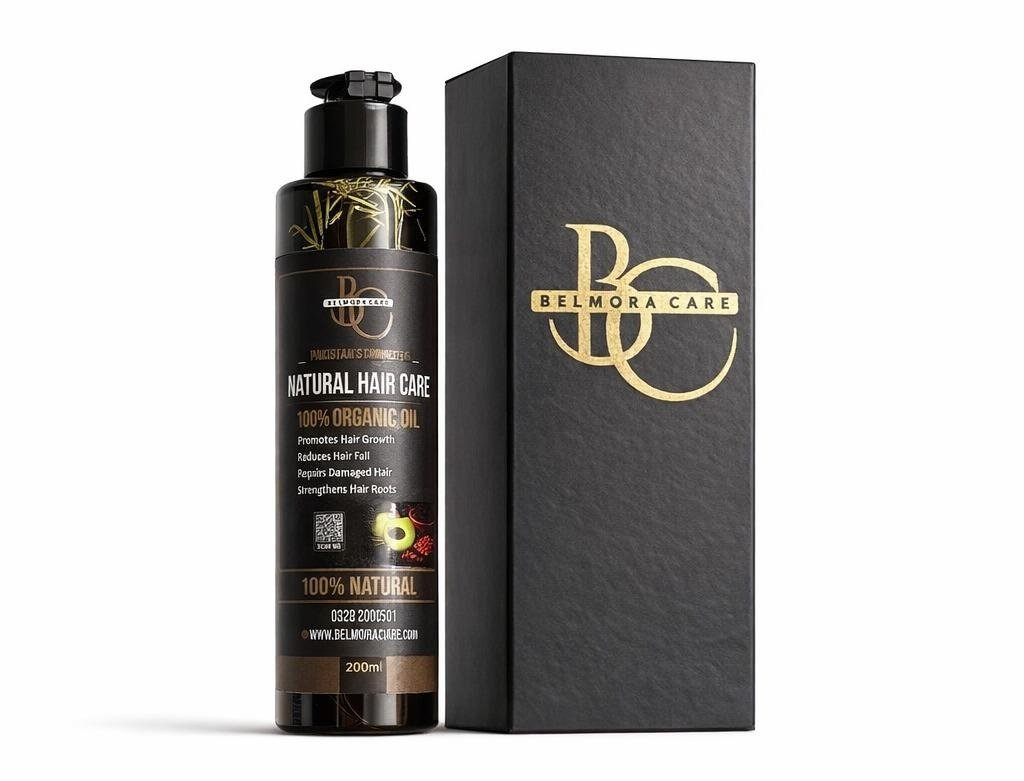
Belmora Care’s formulation brings together 15 traditional botanicals, including ingredients such as Amla, Bhringraj, Aloe Vera, Rosemary, Fenugreek, Curry Leaves, Shikakai, and Mustard Seed. These ingredients should be understood realistically.
For example, Amla (Emblica officinalis) contains naturally occurring polyphenolic compounds and has a long history in traditional South Asian hair care. Rosemary is also widely used in contemporary botanical hair-care routines.
However, traditional use should not automatically be converted into a clinical claim that an ingredient can reverse every form of alopecia. The better interpretation is that botanical ingredients can support a broader scalp and hair-maintenance routine while the underlying cause of persistent hair loss is investigated.
Can You Reduce Stress-Related Hair Fall Naturally?
If stress is contributing to your shedding, the first step is not necessarily buying another product. Start by reducing the overall stress load on your body and hair.
1. Improve Sleep Consistency
Irregular sleep can accompany periods of high stress. Establishing a consistent sleep schedule can support general physiological recovery.
2. Avoid Crash Dieting
Hair production requires adequate nutritional resources. Extreme calorie restriction and poor dietary intake can become additional physiological stressors.
3. Eat Adequate Protein and Micronutrients
A balanced diet containing sufficient protein and nutrient-rich foods supports normal hair biology. If significant shedding continues, a healthcare professional can determine whether nutritional or medical evaluation is appropriate.
4. Reduce Mechanical Damage
Avoid aggressive brushing, excessive heat, and repeatedly tight hairstyles.
If hair is already fragile, unnecessary pulling can convert a shedding concern into a breakage concern.
5. Keep Your Scalp Routine Simple
Avoid continuously switching between multiple shampoos, serums, masks, and oils.
A simple routine that your scalp tolerates is usually easier to maintain consistently.
6. Use Botanical Oiling If It Suits Your Scalp
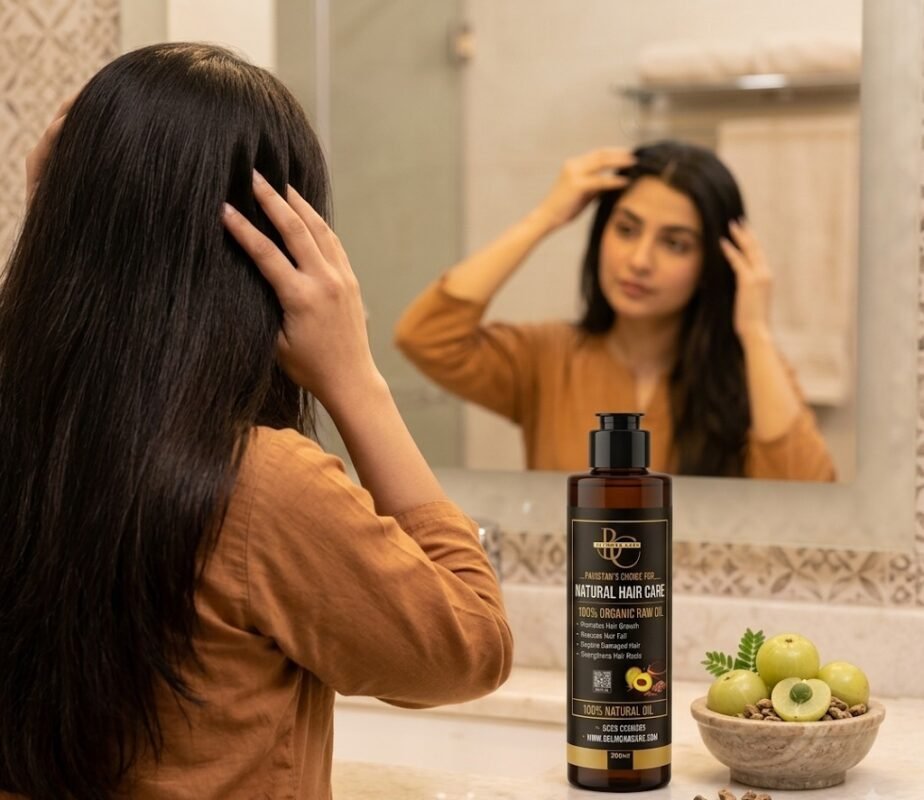
A moderate oiling routine can be incorporated as a conditioning step. Belmora Care’s 15-botanical formulation is designed for this type of traditional hair-care routine. It should complement—not replace—appropriate medical evaluation when hair loss is persistent or severe.
Explore Belmora Care 100% Organic Hair Care Oil
How Long Does Stress-Related Hair Loss Take to Improve?
There is no scientifically valid universal “60-day cure” for stress-related hair loss.
This is an important distinction for anyone shopping for hair products.
If the trigger has been removed, stress-related telogen shedding may gradually settle, but the hair cycle operates on biological timescales rather than overnight.
Belmora Care’s brand messaging uses a 60-day results timeframe, but this should be understood as a realistic routine-monitoring period rather than a medical guarantee that every person will experience new growth or complete cessation of shedding within 60 days.
Look for gradual changes such as:
- less hair appearing during washing
- improved hair manageability
- less dryness and breakage
- healthier-looking scalp and lengths
- gradual appearance of shorter regrowing hairs
If shedding continues or becomes progressively worse, investigate the underlying cause instead of simply increasing oil application.
When Should You See a Dermatologist?
Stress may be responsible for some cases of diffuse shedding, but not every case of hair loss is telogen effluvium.
Consider professional evaluation if you experience:
- sudden or severe hair loss
- clearly defined bald patches
- a rapidly receding hairline
- significant scalp pain, scaling or sores
- persistent shedding for several months
- unexplained thinning of the part
- eyebrow or eyelash loss
- other symptoms such as fatigue, major weight changes or hormonal changes
This matters because conditions such as androgenetic alopecia, alopecia areata, nutritional deficiencies, thyroid disorders and scalp diseases can require different approaches.
The American Academy of Dermatology also emphasizes that stress can trigger telogen effluvium while noting that dermatologists can help identify and treat different causes of hair loss.
A Practical 60-Day Hair-Care Framework
Rather than expecting one product to solve everything, use the next several weeks to build a consistent routine.
Weeks 1–2:
Identify possible triggers. Review recent illness, stress, sleep, diet, styling and washing habits.
Weeks 3–4:
Reduce unnecessary mechanical damage. Improve sleep consistency, nutrition and gentle scalp care.
Weeks 5–6:
Maintain your routine rather than constantly changing products. If botanical oiling suits your scalp, use it consistently according to product directions.
Weeks 7–8:
Compare your current shedding and hair condition with your starting point. If the problem is improving, continue. If shedding remains significant or worsens, seek professional assessment.
The goal is not to promise instant regrowth. The goal is to give your scalp and hair a stable environment while identifying what is actually driving the shedding.
Conclusion: Stress Is a Trigger, Not the Whole Story
Stress and hair fall are genuinely connected, particularly when significant psychological or physiological stress contributes to telogen effluvium. But hair shedding is multifactorial.
For Pakistani men and women, stress may occur alongside heat, humidity, hard water, pollution, nutritional changes, styling damage and scalp irritation.
A sensible approach therefore combines stress management, adequate nutrition, gentle hair handling, appropriate scalp care and a consistent routine.
Belmora Care’s 15-botanical hair oil can be used as the botanical oiling component of that routine. Its formulation is marketed without minoxidil, sulfates, parabens and synthetic fragrance, but “natural” should never be confused with a guaranteed medical treatment.
If you want to explore the product, you can visit the Belmora Care Shop or contact the brand directly at 0328-2000501 for product guidance.
FAQ
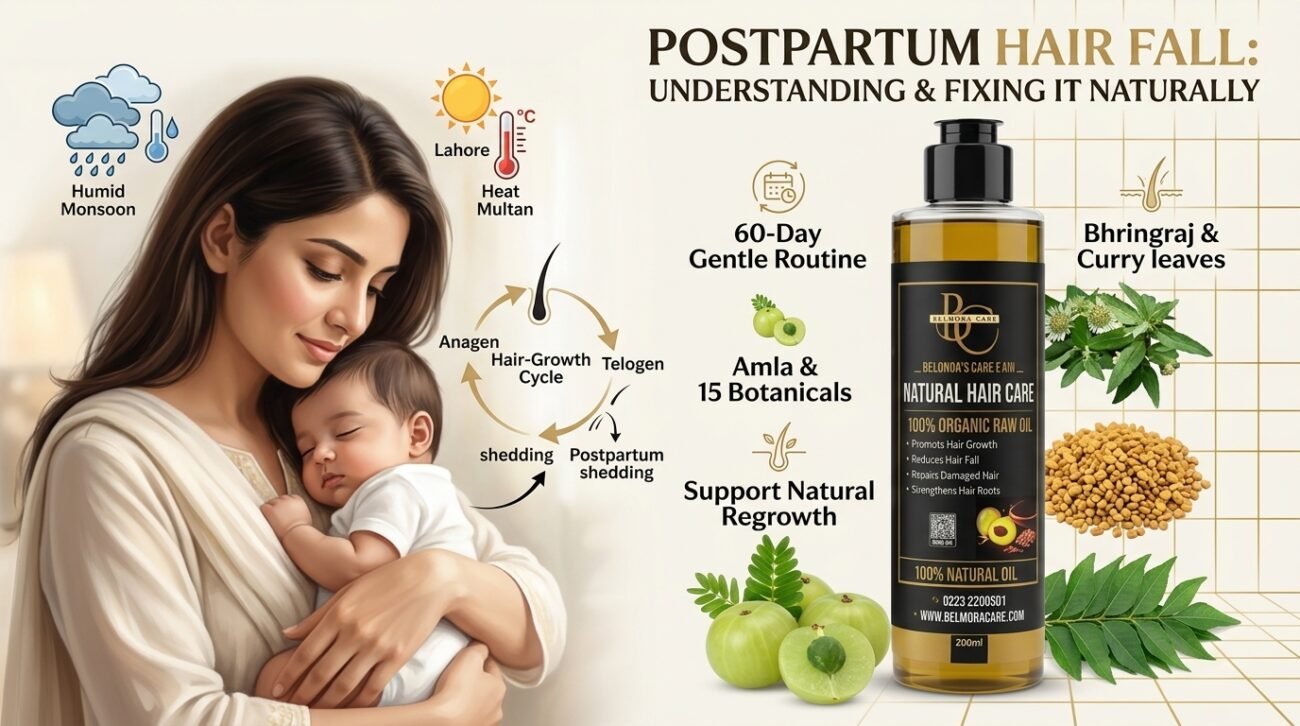
1. How long does postpartum hair fall last?
Postpartum hair fall commonly lasts several months and gradually decreases as the hair-growth cycle normalizes. Many women notice recovery within the first year after childbirth. If significant shedding continues beyond the expected recovery period, a dermatologist can check for iron deficiency, thyroid problems or another hair-loss condition.
2. When does postpartum hair fall start?
Postpartum hair fall often becomes noticeable around two to five months after childbirth, although timing varies. The delay occurs because hormonal changes first shift follicles into the resting phase, and the affected hairs are shed later.
3. Why am I losing so much hair after pregnancy?
After pregnancy, estrogen levels fall and many follicles transition from the active growth phase into the resting telogen phase. This synchronized shift can cause noticeably heavier shedding several months later. The condition is commonly called postpartum telogen effluvium.
4. Can postpartum hair fall be stopped naturally?
Postpartum telogen effluvium cannot reliably be stopped instantly because its primary trigger is physiological and hormonal. However, gentle scalp care, adequate nutrition, reduced heat and traction, and appropriate conditioning can help minimize additional hair damage while normal growth resumes.
5. Is hair oil good for postpartum hair fall?
A suitable botanical hair oil can support scalp conditioning, reduce the sensation of dryness and improve hair manageability, but it should not be presented as a cure for hormonally triggered postpartum shedding. Belmora Care’s 15-botanical formulation can be used as part of a consistent scalp-care routine.
6. Can I use herbal hair oil while breastfeeding?
Topical hair products are different from oral herbal supplements, but breastfeeding mothers should still review product ingredients and personal circumstances with their healthcare professional when uncertain. Avoid assuming that “natural” automatically means risk-free, particularly with concentrated botanical preparations.
7. Does hard water cause postpartum hair loss?
Hard water does not cause postpartum telogen effluvium, which is primarily associated with postpartum physiological and hormonal changes. However, mineral-rich water may contribute to hair-fiber residue or roughness, potentially making already fragile, shedding hair feel more damaged.
8. Can Amla help with postpartum hair fall?
Amla can be included in a botanical hair-care routine because it contains plant compounds with antioxidant properties. However, there is not enough evidence to claim that topical Amla reverses postpartum telogen effluvium. It is better viewed as a supportive botanical conditioning ingredient rather than a medical treatment.
9. When should postpartum hair loss become a concern?
Seek professional evaluation if severe shedding persists, continues to worsen, creates patchy bald areas, or occurs with scalp inflammation or other symptoms. Postpartum shedding can sometimes coexist with conditions such as androgenetic alopecia or traction alopecia.
10. Can Belmora Care help with postpartum hair care?
Belmora Care’s 100% chemical-free herbal hair oil contains 15 traditional botanicals and can be incorporated into a gentle scalp-conditioning routine. A 60-day consistent routine can be used to observe changes in scalp comfort, manageability, and shedding, while natural postpartum regrowth may require more time. For guidance, WhatsApp 03282000501.






 Free shipping to all over Pakistan
 100% Organic Herbs – No Chemicals