
Hair Fall in Pakistan: Common Causes and What Actually Helps
If you’ve noticed more strands on your pillow, in the shower drain, or on your hairbrush lately, you’re not imagining it — and you’re also not alone. Hair fall is one of the most common concerns raised by people across Pakistan, from students dealing with exam-season stress to new mothers, office workers, and anyone adjusting to a change in season.
The tricky part is that “hair fall” isn’t one single problem. It can come from a dozen different everyday causes, and the right response depends on knowing which one applies to you.
This guide walks through the most common causes of hair fall, the Pakistan-specific factors worth paying attention to, and what a natural, realistic hair-care routine can and can’t do about it.
Quick Answer: What Usually Causes Hair Fall?
Most everyday hair fall comes down to a combination of a few factors: normal shedding as part of the hair growth cycle, scalp and water-related stress, styling habits, diet, and temporary triggers like illness, stress, or hormonal shifts. In most cases, hair fall is manageable with consistent scalp care and a few routine changes. Persistent or sudden heavy shedding, however, is worth discussing with a doctor rather than managing with home remedies alone.
How Much Hair Fall Is Actually Normal?
Before looking at causes, it helps to know what “normal” looks like. Hair naturally cycles through growth, rest, and shedding phases, and losing some hair every day is expected — it is simply part of how hair renews itself.
What usually signals a real change is:
- A noticeable increase compared to your own normal pattern
- Visibly thinning areas or a widening parting
- Clumps of hair coming out during washing or brushing
- Hair fall that continues for weeks without improvement
If what you’re seeing fits your usual pattern, a supportive routine may be all you need. If it doesn’t, understanding the cause becomes more important.
Common Causes of Hair Fall
1. Seasonal and Weather-Related Shedding
Many people in Pakistan notice hair fall increasing around seasonal transitions — particularly going into the hotter months or right after monsoon humidity. This kind of seasonal shedding is common and usually temporary, though it can feel alarming while it’s happening.
2. Hard Water
Water quality varies a lot across Pakistani cities, and hard water — water with a higher mineral content — is a frequently overlooked contributor to rough, dry-feeling hair and increased breakage at the scalp and along the hairline. Hard water doesn’t create hair loss on its own, but it can make hair more prone to dryness and breakage, which shows up as “more hair fall” even when the root cause is texture, not loss.
3. Styling Habits
Frequent heat styling, tight hairstyles (like tight braids, buns, or ponytails), and rough handling of wet hair are all common, everyday causes of breakage. Over time, tight styles pulled repeatedly at the same points can stress the hair at the root — something to be mindful of if you notice thinning specifically along the hairline or parting.
4. Diet and Nutrition
Hair needs a steady supply of protein, iron, and other nutrients to grow well. Crash dieting, skipping meals, or a diet low in protein and iron can show up months later as increased shedding. This is a common and often underestimated cause, especially during busy exam seasons or periods of irregular eating.
5. Stress and Illness
A stressful period, a fever, surgery, or significant life event can trigger a temporary but noticeable increase in shedding a few months later. This is a well-recognised pattern — the hair follicles briefly shift into a resting phase together, and more strands than usual fall out around the same time. It typically improves on its own once the underlying stress or illness resolves.
6. Hormonal Changes
Hormonal shifts — including those related to pregnancy, childbirth, thyroid changes, or other hormonal conditions — are a common cause of hair fall, particularly in women. Postpartum hair fall in particular is extremely common and usually temporary.
7. Scalp Conditions
Dandruff, an oily or irritated scalp, or ongoing scalp discomfort can contribute to hair fall indirectly, especially if scratching or inflammation is involved. Looking after the scalp itself is often a missed step in hair-fall routines that focus only on the hair strands.
8. Product and Chemical Use
Frequent chemical treatments, harsh shampoos, or overuse of styling products can gradually weaken hair and irritate the scalp, contributing to breakage and shedding over time.
When Hair Fall Needs More Than a Routine
A natural hair-care routine can genuinely help with everyday shedding, dryness, and scalp maintenance. But it is not a substitute for medical evaluation when:
- Hair fall is sudden, heavy, or in patches
- You notice a clearly receding hairline or bald spots
- Hair fall is accompanied by scalp pain, sores, or unusual symptoms
- It continues for several months with no improvement
- It’s paired with other symptoms (fatigue, weight changes, irregular periods)
In these cases, it’s worth speaking to a doctor or dermatologist rather than relying only on home remedies, since some causes of hair fall need proper diagnosis and treatment.
Natural Ways to Support Hair and Reduce Everyday Shedding
For the more common, everyday causes above, small consistent changes tend to matter more than any single product:
- Be gentle with wet hair. Wet hair is more fragile — avoid rough towel-drying or brushing immediately after a wash.
- Loosen tight hairstyles. Give your hairline a break from tight braids, buns, or ponytails, especially if worn daily.
- Limit heat styling. Reduce frequency and use a heat-protectant where possible.
- Eat a balanced diet. Include enough protein and iron-rich foods, and avoid extreme or crash diets.
- Manage stress where you can. Stress management, adequate sleep, and rest can support overall hair health over time.
- Look after your scalp. Keep the scalp clean, avoid excessive scratching, and address dandruff or irritation early.
- Consider your water source. If your water is notably hard, a final rinse routine or occasional adjustment can help reduce dryness.
- Maintain a consistent oiling routine if it suits your hair and scalp — regular, gentle oiling has long been part of traditional Pakistani hair care for a reason.
Where Botanical Ingredients and Oiling Fit In
Traditional South Asian hair care has long relied on regular oiling and scalp massage as part of a hair-maintenance routine, and several botanical ingredients are commonly associated with this practice:
- Amla, traditionally used to support scalp and hair condition
- Rosemary, commonly used in modern natural hair-care routines
- Methi Dana (Fenugreek), long used in traditional South Asian hair preparations
- Bhringraj, a familiar botanical in desi hair-care practices
- Aloe Vera, widely used for scalp and hair conditioning
- Shikakai, traditionally associated with gentle hair cleansing
- Mustard Seed, used traditionally in South Asian oiling practices
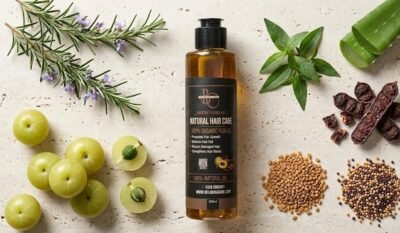
These ingredients are best understood as supportive additions to a consistent routine — helping with scalp condition, dryness, and manageability — rather than a guaranteed fix for every cause of hair fall listed above.
How Belmora Care Fits Into a Hair-Fall Routine
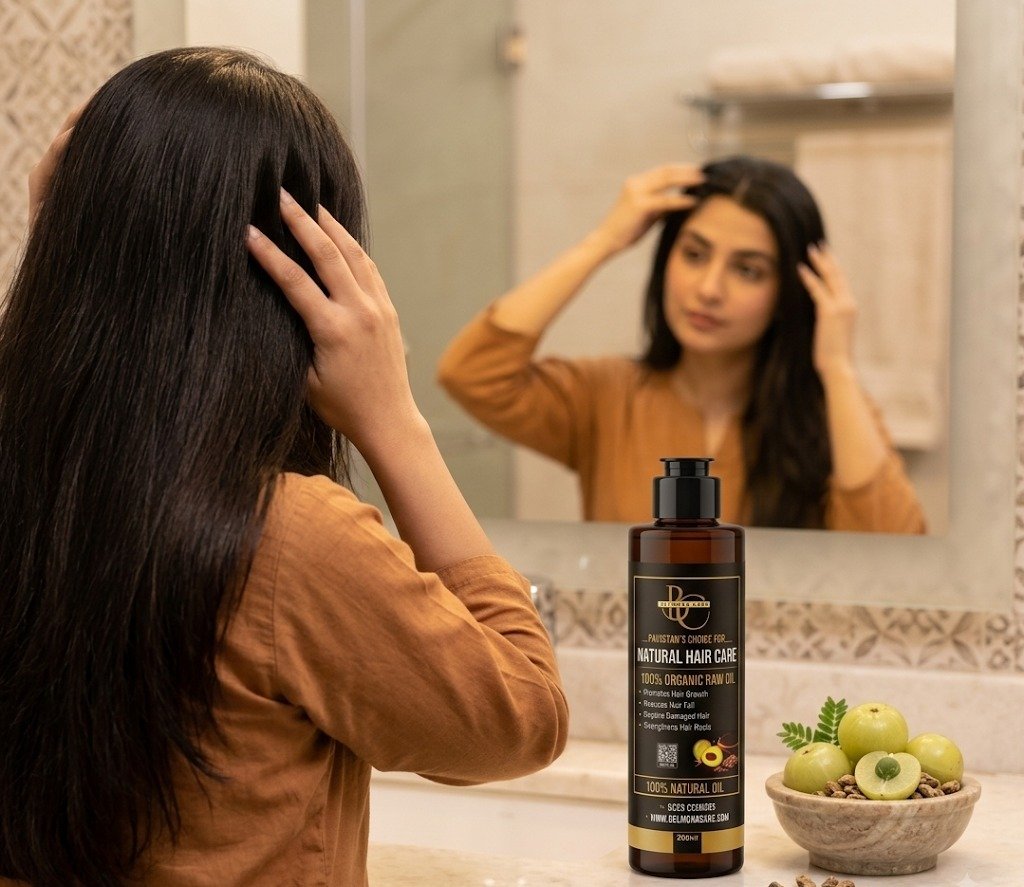
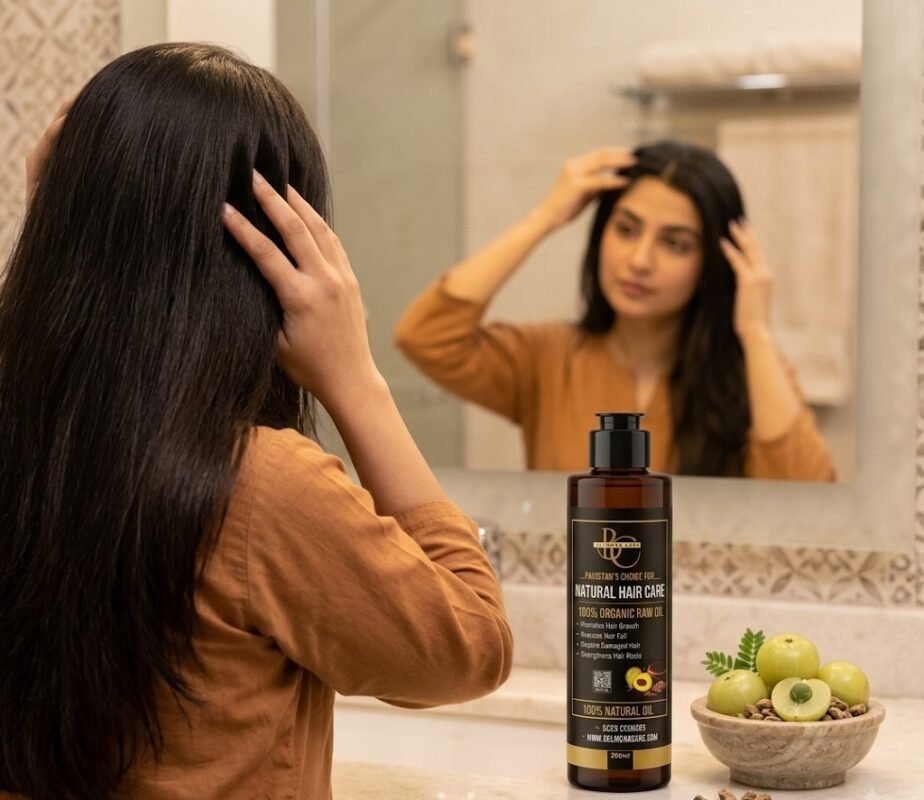
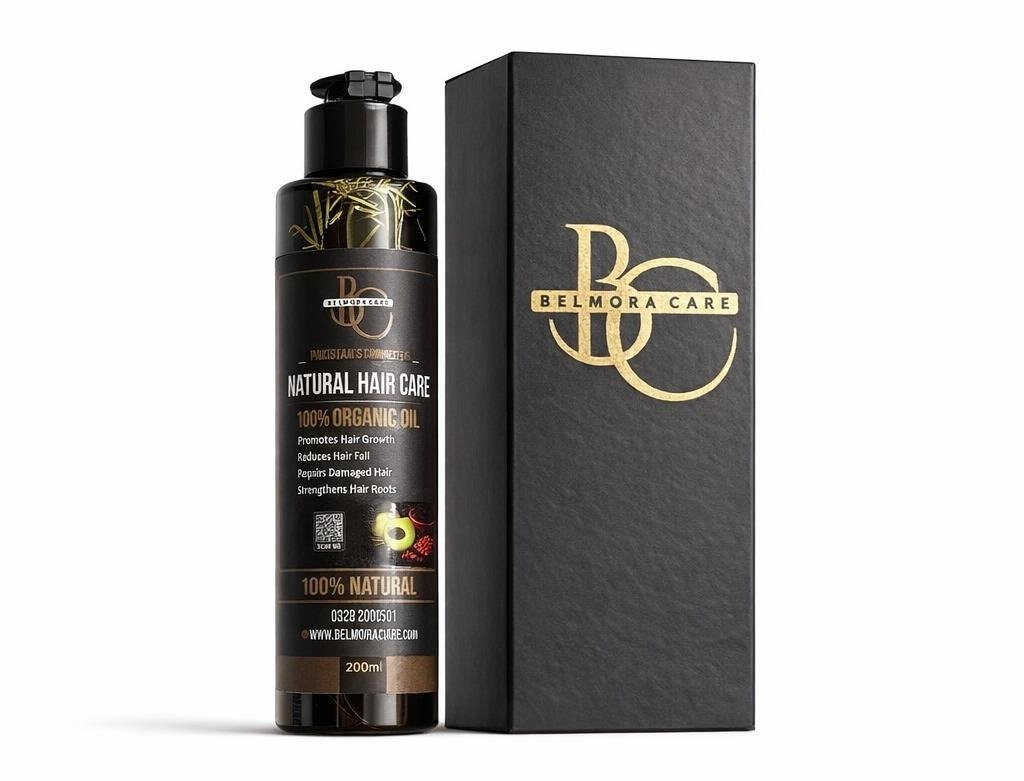
If you’re looking to build a consistent, natural oiling routine without mixing several ingredients yourself, Belmora Care 100% Organic Hair Care Oil brings together botanicals including Amla, Rosemary, Methi Dana (Fenugreek), Bhringraj, Aloe Vera, Shikakai, Mustard Seed, and other traditional ingredients in one formulation.
The oil is positioned around supporting healthier-looking hair, helping care for the scalp, and fitting into a regular hair-care routine that also addresses dandruff-related concerns. It’s meant to complement — not replace — the everyday habits above, such as gentle styling, a balanced diet, and consistent scalp care.
It may be worth exploring if you:
- Already prefer a desi-style, traditional oiling routine
- Want a single, ready-made blend instead of mixing ingredients at home
- Are dealing with everyday shedding, dryness, or scalp maintenance rather than a diagnosed medical condition
As with any hair-care product, if it causes irritation or discomfort, discontinue use and consult a professional if concerns continue.
A Simple Weekly Routine to Start With
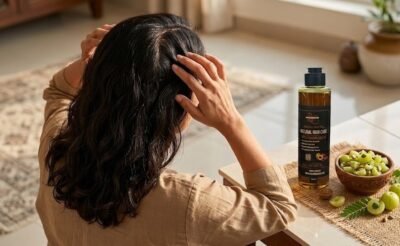
- Pick one or two oiling days that fit your weekly schedule.
- Apply oil to the scalp and lengths, using a moderate amount.
- Massage gently with your fingertips for a few minutes.
- Let it sit for a reasonable period before washing.
- Wash thoroughly to avoid product buildup.
- Handle wet hair gently — avoid rough brushing or towel-drying.
- Stay consistent for several weeks rather than switching products frequently.





 Free shipping to all over Pakistan
 100% Organic Herbs – No Chemicals